
Generative AI
Generative AI for Mobile Apps and Games
What is generative AI, and how can it help build mobile apps and games? Find practical tasks, validation steps and two complete learning series in one guide.
Updated: 2026-10-21
What is generative AI?
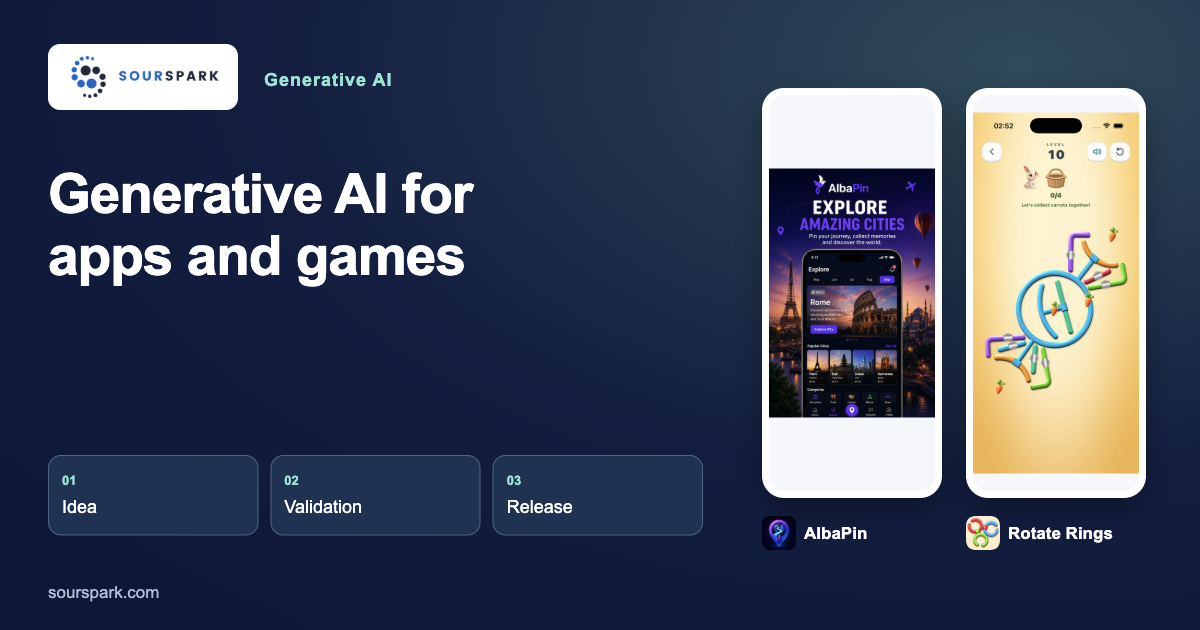
Generative AI covers models that create text, code, images or audio from context. Producing an output does not make it correct or ready to ship. It can draft a mobile user journey or suggest a game mechanic or level. Product rules, data handling and device behaviour still need verification.
Five steps from idea to working product
Choose one user task or game rule. Give the model your existing project, constraints and acceptance criteria. Request a small change, then review both code and behaviour. Try it on a real phone and carry the findings into the next task. This keeps the result easier to assess than an entire product requested at once.
- Scope: What should the person complete, and what is outside the first build?
- Context: Which project, engine, data and platform apply?
- Generation: Work on one flow or mechanic.
- Verification: Try success, errors, reopening and a narrow screen.
- Iteration: Record findings and compare under matching conditions.
A task brief you can adapt
Complete saving an item to favourites in the existing project. Do not add a new account system or server. Explain the plan and relevant files first. Apply the change and check reopening, an empty list and a save failure. Identify checks you did not run.
For a game, use the same approach for one completion event and retry loop. These are learning tasks, not evidence of changes made to the pictured products.
The mobile app development series
Six short parts cover model selection, ChatGPT/Codex, Claude Code, Gemini, development environments and store preparation.
The game development series
Six parts cover tools, prototyping, game logic, debugging, level validation and mobile release.
Generative AI and GEO describe different work
Generative AI produces content; GEO concerns discovery in AI search. Google’s AI search features do not require a special AI file; standard SEO requirements apply. OpenAI’s OAI-SearchBot handles search access, while GPTBot concerns training crawls. Crawl access does not guarantee a recommendation.
Real product examples from SourSpark
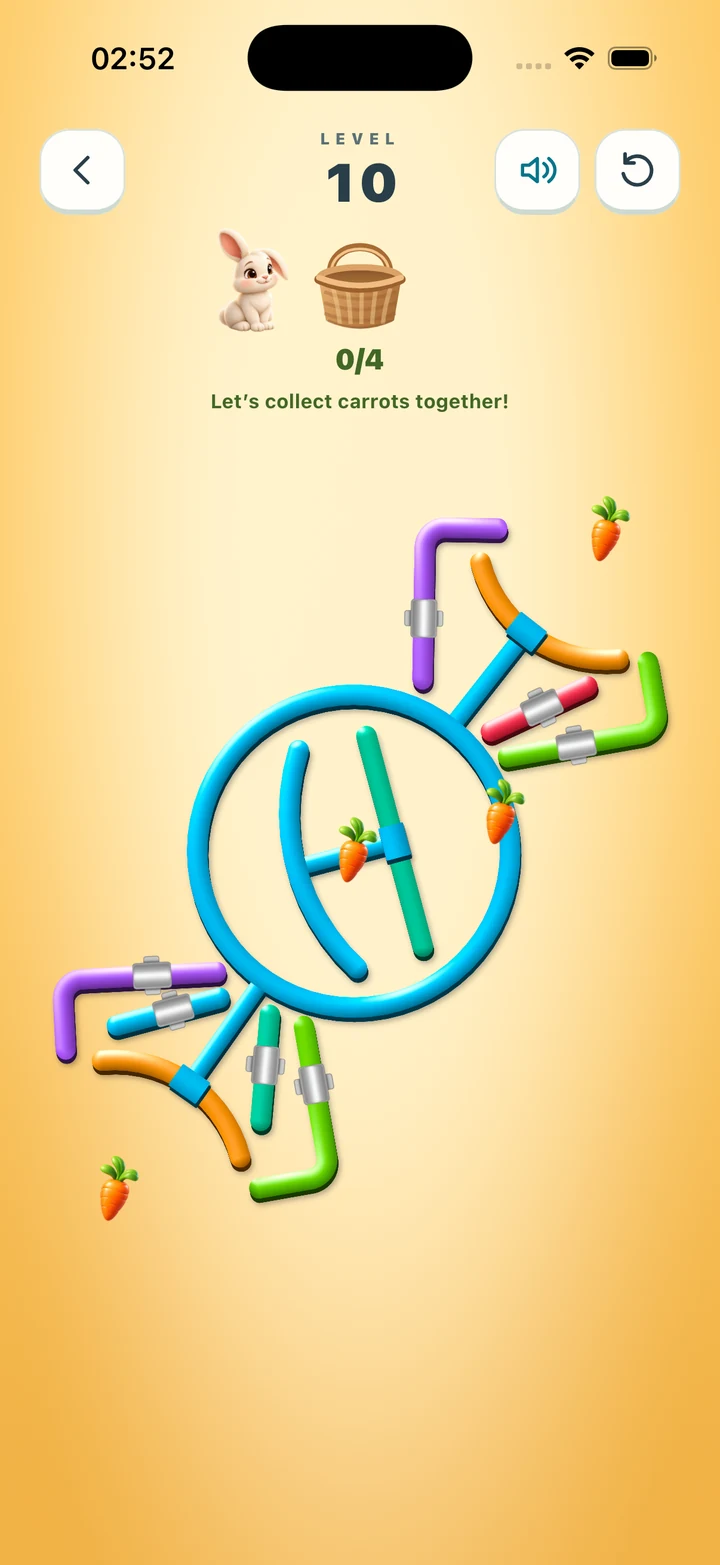
The screens below come from our AlbaPin and Rotate Rings projects. They illustrate a mobile interface and gameplay, not proof of a particular model’s involvement or measured productivity gains. Product pages provide current release and store information.


Rotate Rings: Cosmic Puzzle

Frequently asked questions
Does generative AI mean shipping without understanding code?
No. It can help create drafts, but technical review, device tests and release responsibilities remain.
Is every game AI a form of generative AI?
No. A rule-based opponent or pathfinding system is different from a language model generating content.
Does this guide guarantee AI search recommendations?
No. Public sources and accessible content support discovery; search and answer systems decide which pages to use.
SourSpark
Start with a small scope that works.
Share your app or game idea, intended users and existing project so we can plan generation, validation and release.
Discuss my idea