
Store Review Experiences
Why advertising identifiers can trigger a rejection in children’s games
Families notices for WordCrush, WordQuest, HueWeave and Tile Rush show why audience declarations and SDK data behaviour must be checked together.
Updated: 2026-10-20
The real case
Disabling personalised ads does not establish that every data flow is compliant. Families notices for WordCrush, WordQuest, HueWeave and Tile Rush in 2026 cited device identifiers transmitted by the app or an SDK from children or users whose age was unknown.
What to check
Advertising ID was one possible identifier mentioned. The notices do not prove that the same SDK or identifier caused every case. Check final-package permissions, SDK settings and actual network behaviour together.
The audience declaration should reflect the product and store presentation. Changing age groups just to get past review is not a substitute for an accurate assessment. Apply appropriate child and unknown-age settings before initialising SDKs, then verify what those paths transmit.
- Compare the declared audience with the product and store presentation.
- Inspect the merged manifest and SDK configuration.
- Verify transmission for child and unknown-age users.
Confirmed outcome
Several games received notices in this policy area. The exact data source in every build and subsequent approvals are not established by these emails.
These checks can help reduce avoidable issues; they do not guarantee store approval.
Related game or app
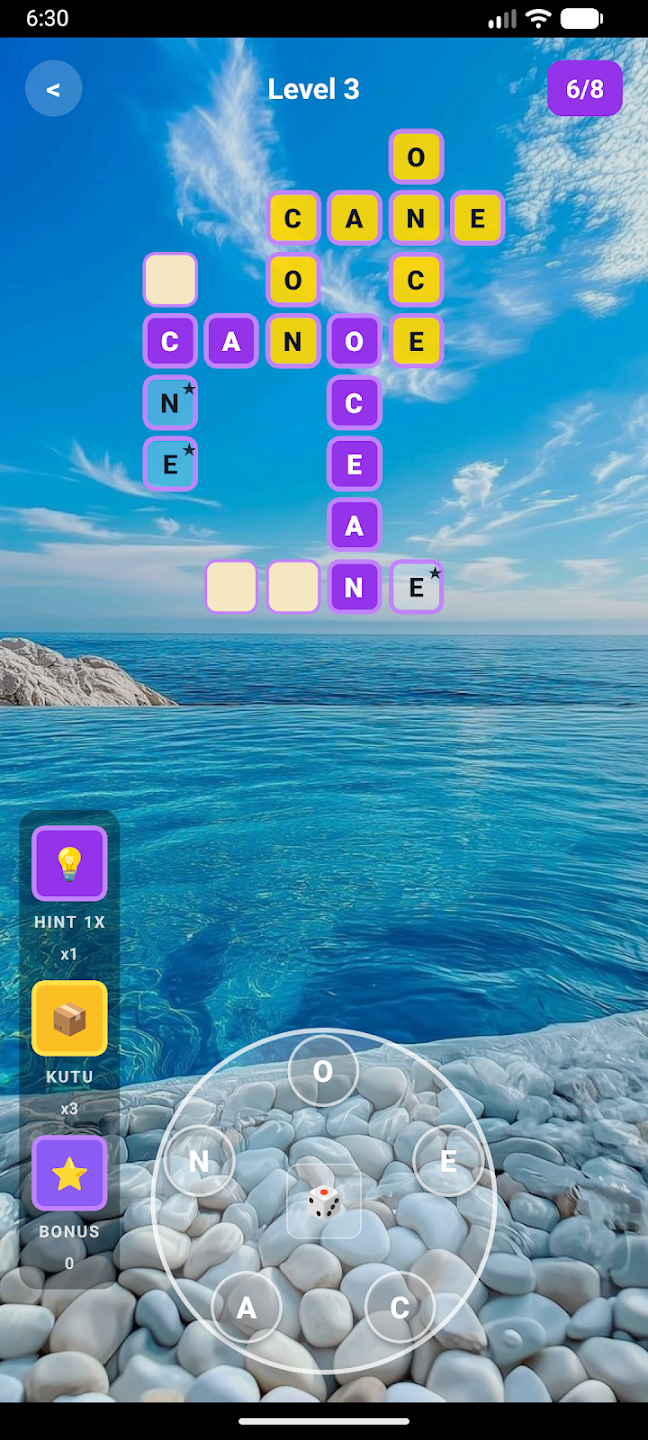
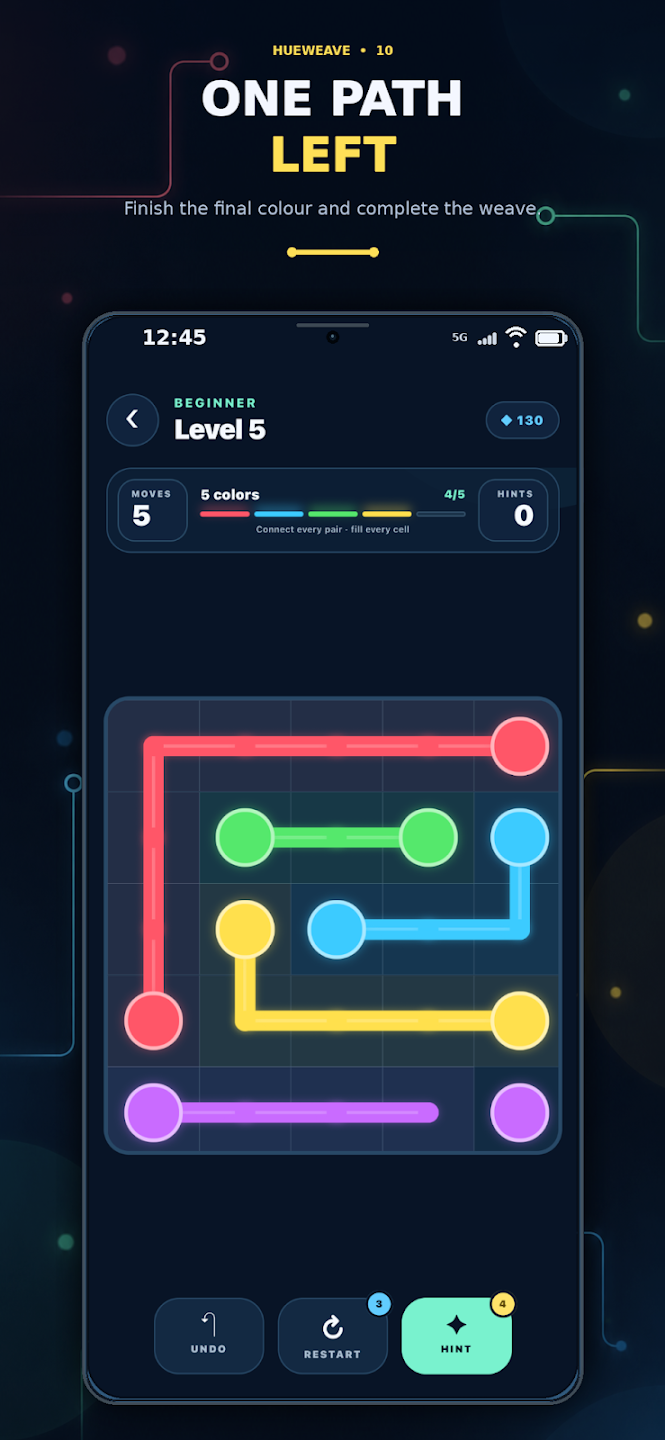
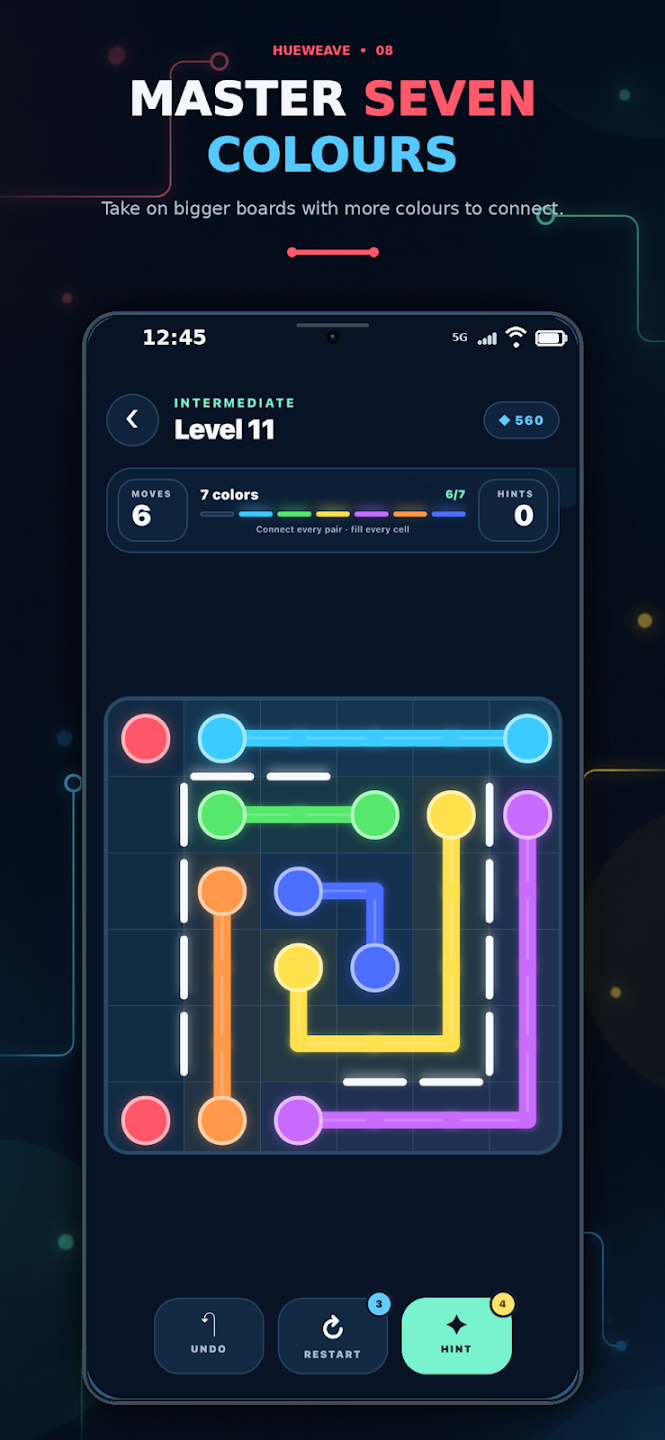
These are real product images from the stores, not evidence of the screens seen during the rejection.



More in this series
Explore the other lessons from our store review experiences.