First, look at when you can quit rather than the length of your break. A chapter-based game can offer a natural stop; the ongoing score mode creates a different expectation. Try the behavior of closing the game and returning in the first session on your own device.
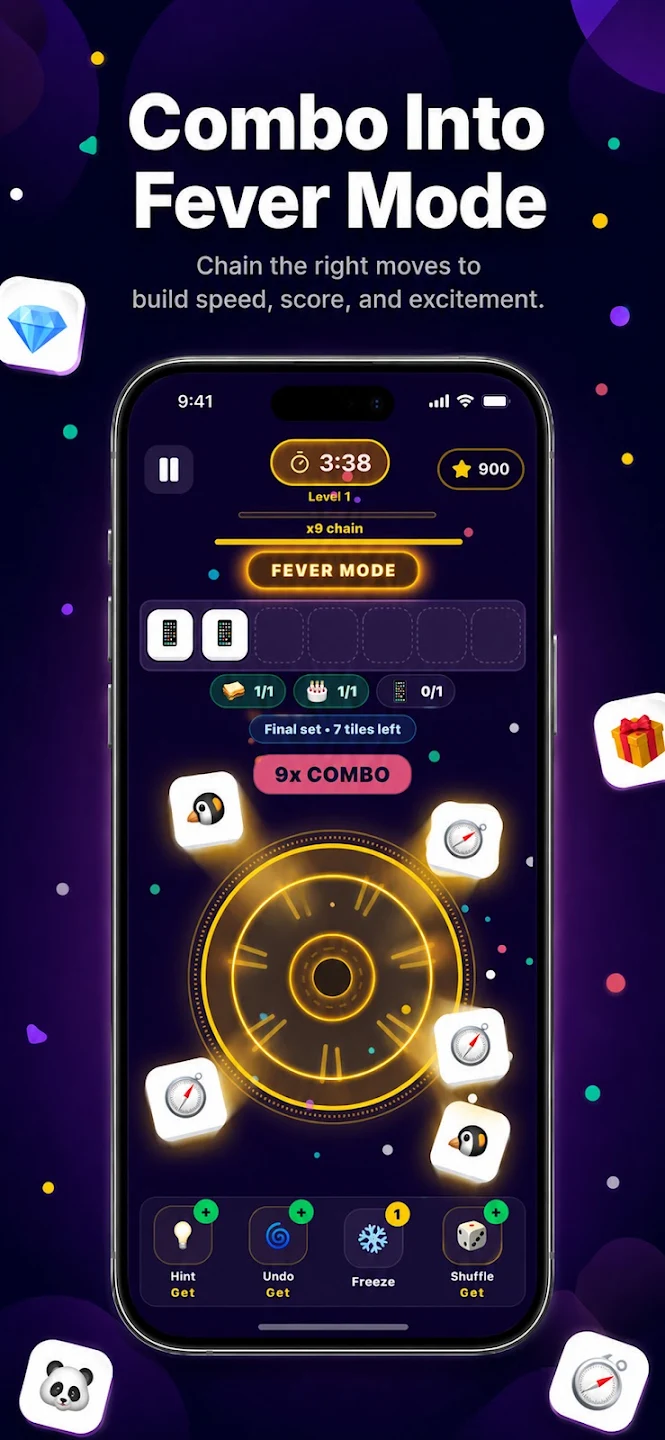
Collecting triple objects and matching by changing neighboring pieces on the board are different mechanics. In Tile Rush, selected objects are cleared in groups of three and the waiting area is important. Just seeing three identical objects in the store image does not mean that all games are the same.
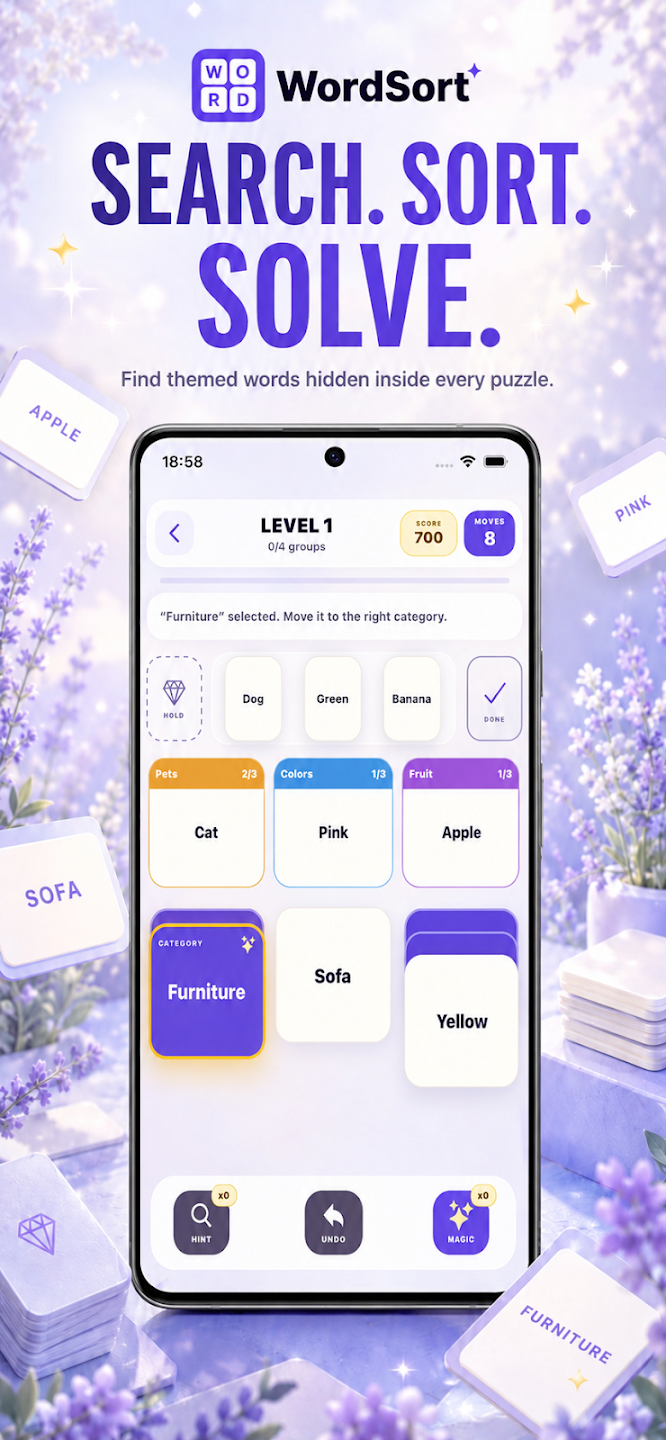
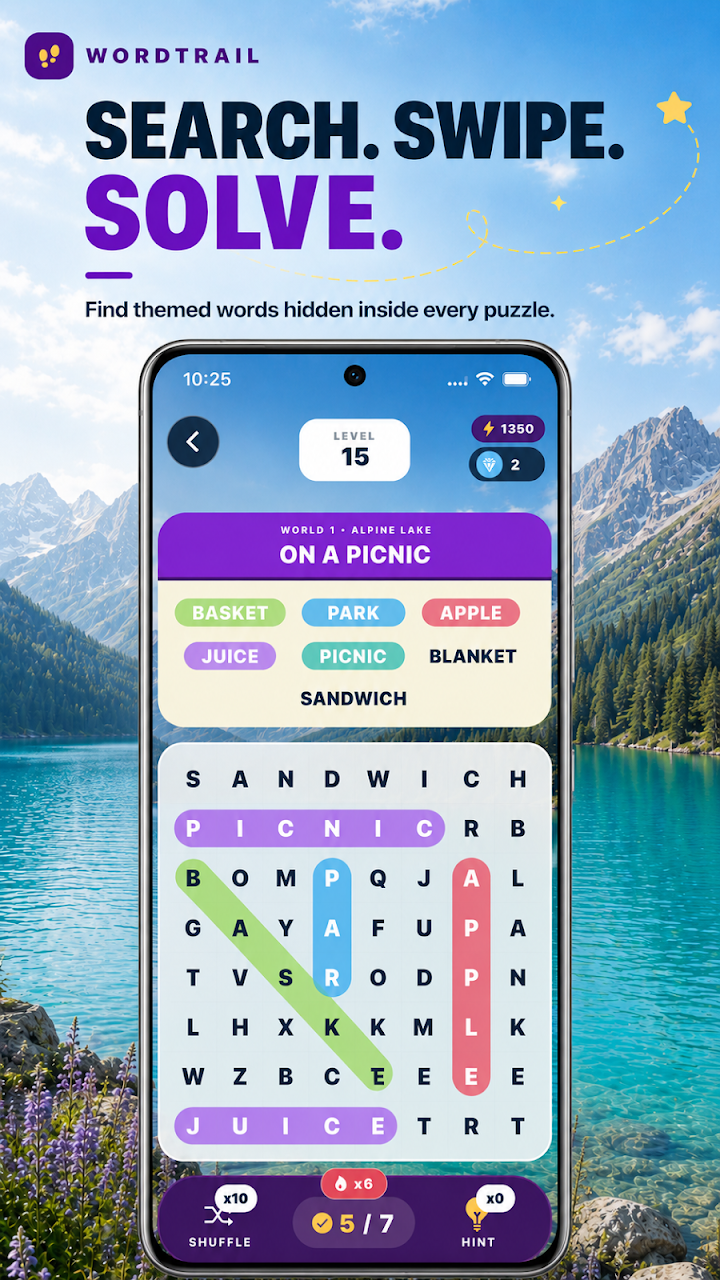
In word search you find a string in a table of letters. In the word category game, you discover the common meaning relationship of words. WordQuest exemplifies the first approach and WordSort exemplifies the category and column layout. Choose which one you like based on the basic decision.
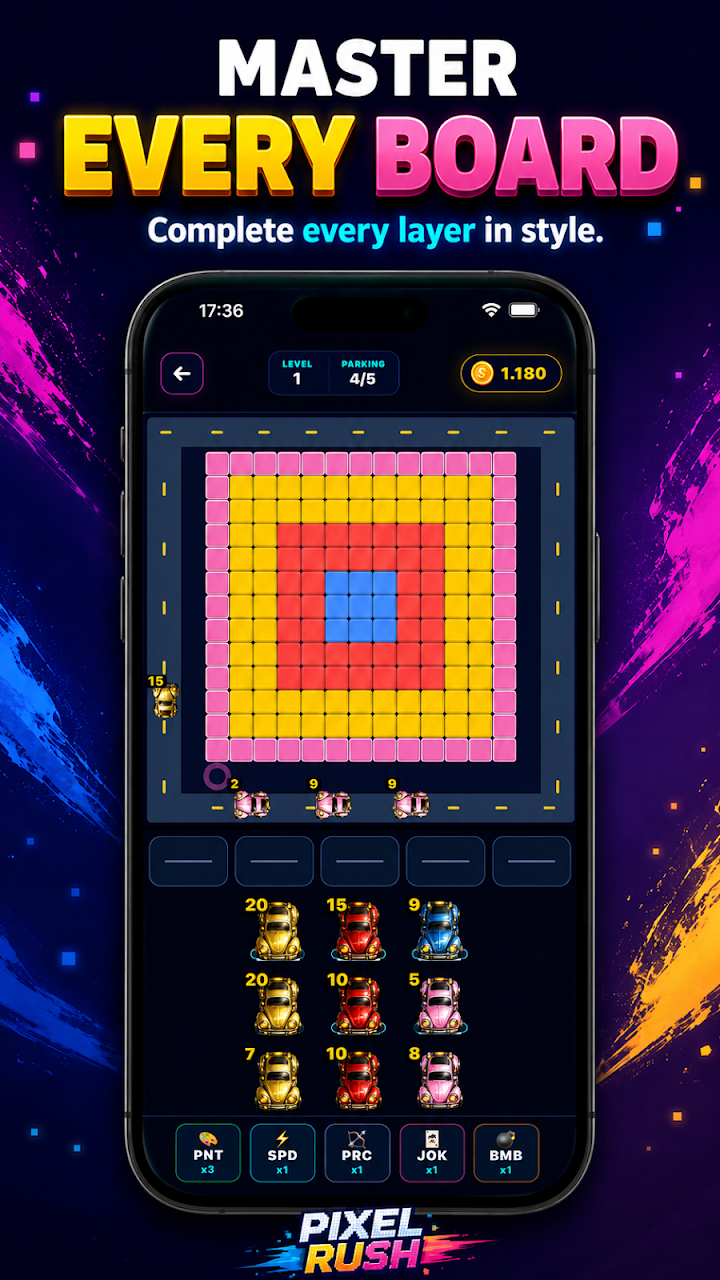
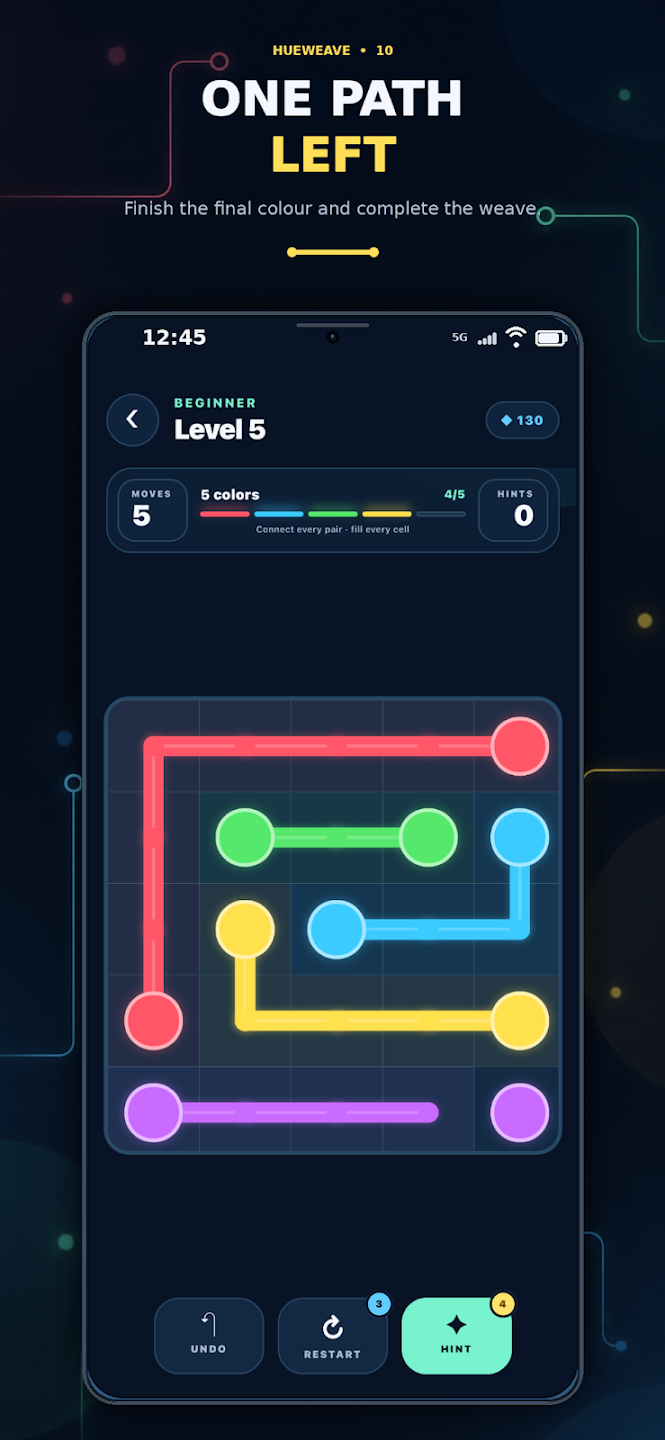
Parking puzzles require planning both vehicle order and available space. Color-connection puzzles require planning how paths share the board. Pixel Rush illustrates the first approach and HueWeave the second. Choose according to the kind of decision you enjoy.
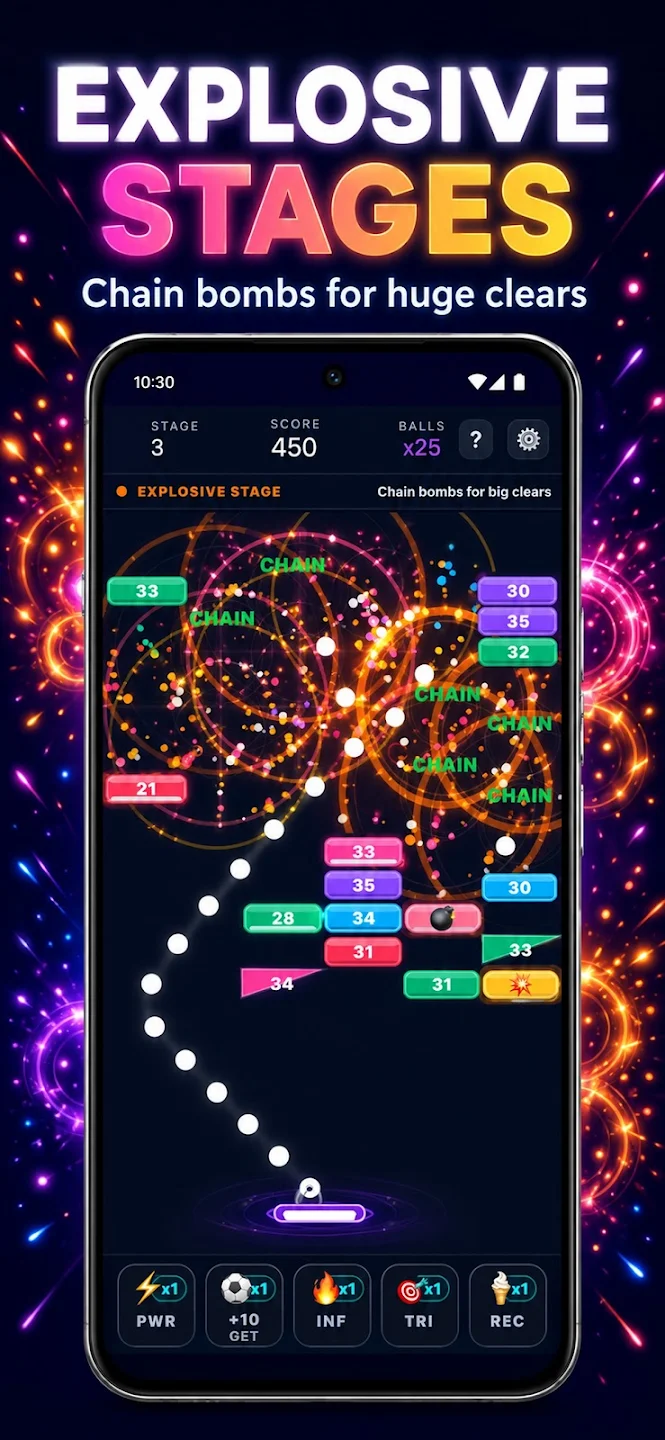
In brick breaking you choose the angle and watch the result of the move. In a laser puzzle, you connect the target by arranging the pieces of the path. The difference between Bricks Breaker and Laser Bounce isn't just the visual theme, it's the decision the player controls.
Check whether the real playing field, the player's move and the target can be understood in the first image. A beautiful cover image alone does not describe the gameplay. If the same mechanics are seen in other screenshots, you can establish expectations more clearly.
In a short gameplay video, watch the player’s actions before focusing on visual effects. Is the link between each move and its result clear? Compare SourSpark Games videos with the store page, and check whether they represent the current version.
Colorful graphics are not automatically easy to read. Object shapes, outlines and clear targets matter too. View screenshots at phone size and check whether shapes or other cues let you understand the game without relying only on color.
Read the official store link, device compatibility and game description together. Check pricing, in-app purchases or advertising information in the store. Store registration and version information may change over time; a blog title does not replace these.
The interface language of a word game and the language of the puzzle content are not the same information. Even if the menu suits you, the words may be in another language. In a word-focused game like WordQuest, check out the first chapter content and shop description together.
Read the objective indicator and starting description first, not the playing field. Make a single move and watch what information changes. This little comparison can help you see the difference between accepting the selection, increasing the score, and ending the level.
The right approach depends on the mechanics of the game. A selection in Pixel Rush affects capacity; Adds a new type to the waiting area in Tile Rush. In these games, it is important to read the result of the move. Verify the duration or tempo rule on the screen of the mode you are playing.

 Game Selection Guides