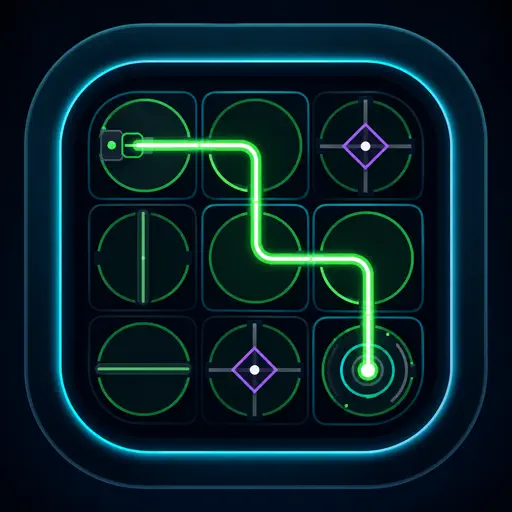
Instead of trying to understand the entire beam at a glance, work your way from the source to the first piece. Evaluate the new path separately for each direction change. If it doesn't get there in the end, start from the first unexpected turn, not from the last line that looks wrong.
Starting from the source describes the current ray path; Thinking from the target can indicate from which direction the final piece should be approached. Combining the two methods is useful for finding the missing link. Check the actual rules of the pieces in both directions.
The piece you rotate can change not only the point where it is located, but the entire subsequent path of the ray. First check the initial exit direction, then check if previously completed targets are affected. Unlocking one goal while losing another may not be real progress.
Create three control points: source, first turn, and target. If the first two work as you expect, move on to the next parts. Proceeding one by one in this way makes it easier to find the broken point without randomly changing all the parts.
There may be separate controls for a beam to go to the right place and to ensure the right color condition. Examine the path first, then the color information requested by the target. If there are parts that change color behavior, learn their effects through the feedback provided by the game.
If a direct route is blocked, look for a chain of reflections around the obstacle. Consider open corridors and pieces that can redirect the beam. A route that looks possible must still satisfy every receiver’s direction and color requirements.
After reaching one receiver, check how any further changes affect the others. Shared pieces can alter several paths at once. Start with the receiver that seems to have the fewest possible approaches, then use the remaining flexibility for the others.
Before rotating a piece, predict where the beam will turn and which area it will reach. Compare that prediction with the result to understand the piece’s behavior. Testing one change at a time teaches you more than tapping randomly.
A beautiful or long light path does not indicate completion of all receptors. The success condition is evaluated by the status of the goals. Even if the beam path appears correct, the target color, orientation, or any other remaining receiver should be checked.
Focus on distinguishing the source, spinner, and receiver on the first try. Learn the basic rule by watching the effect of a single piece. Then try to complete the path to the goal; You don't need to solve all types of parts at the same time.
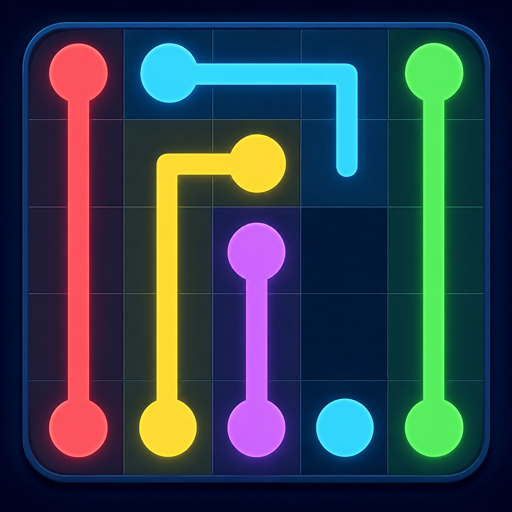
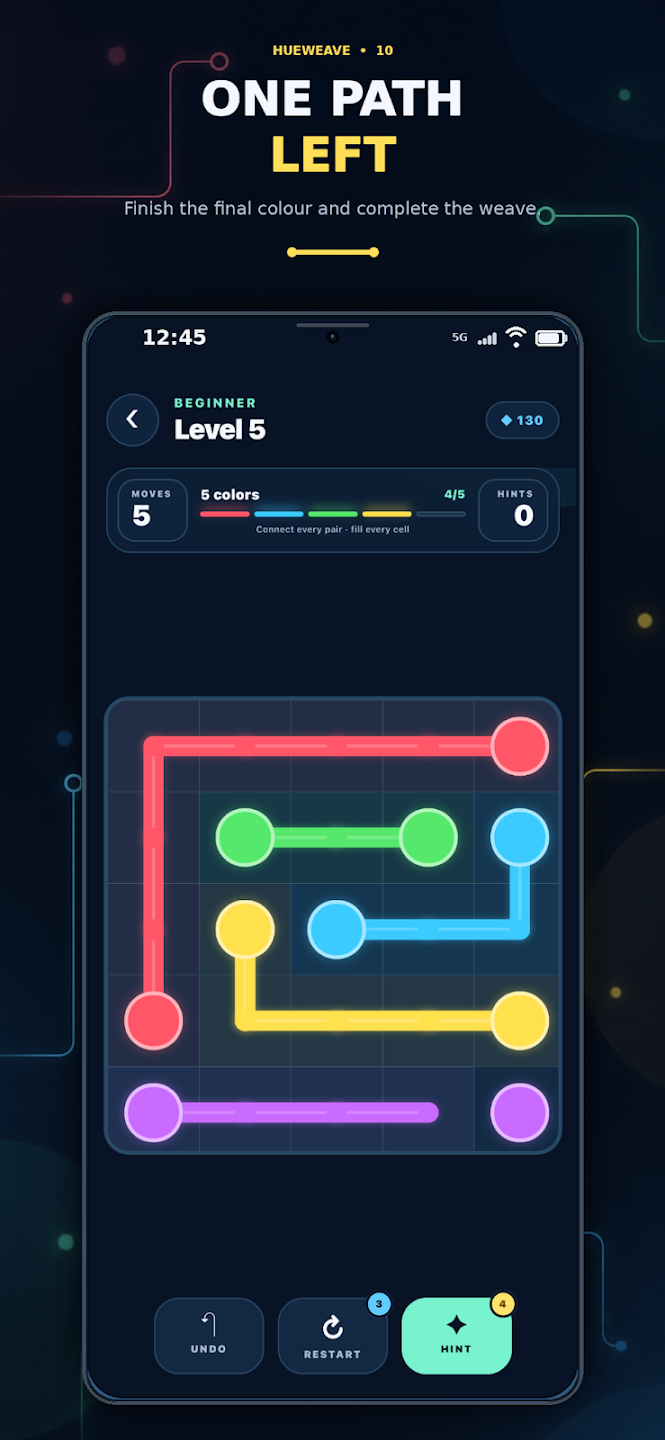
The closest pair of dots is not always the best starting point. A pair in a corner or with few possible routes may be more constrained. Plan that route first so you can leave space for pairs with more options.
All colors share the same board. Drawing one path changes the routes available to the others. Treat each pair as part of the whole layout, and be willing to revise a completed path when it blocks another connection.

 Laser Puzzle Guides