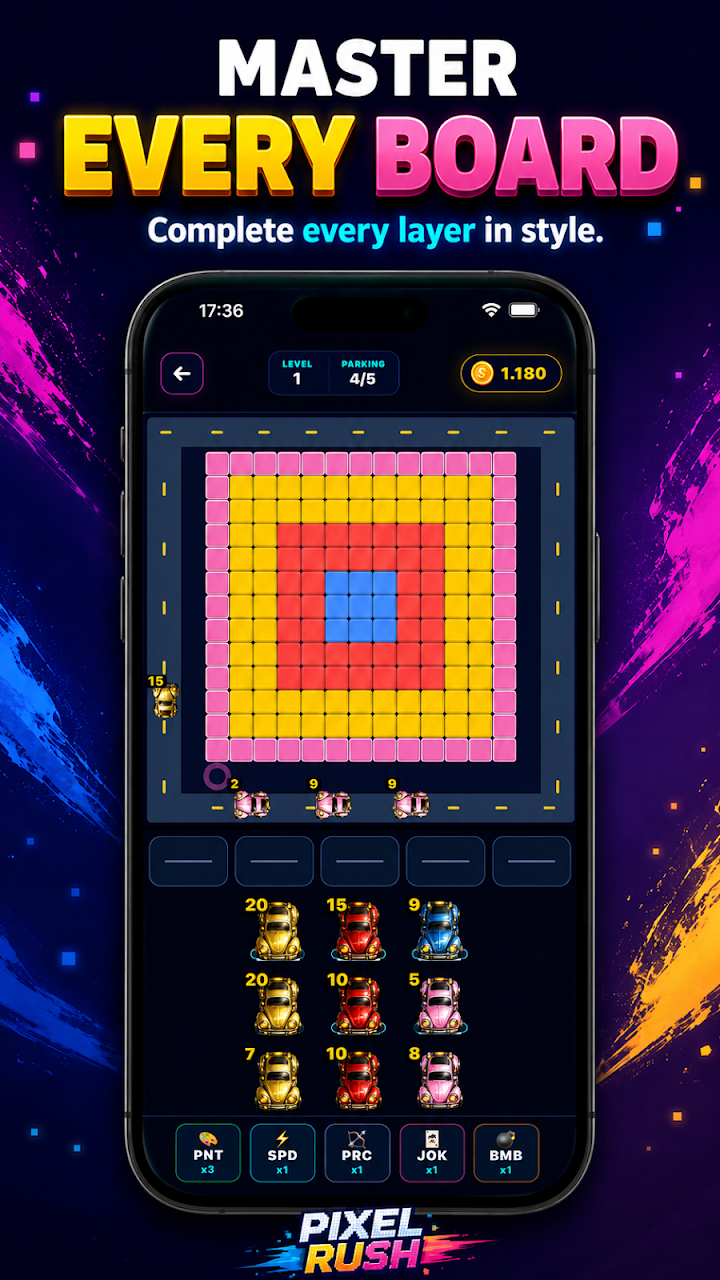
A vehicle of the right color may not be reachable yet. Check both its position in the queue and the space available. You may need to move another vehicle first to open a route to the color you want.
Look beyond the first vehicle in each queue. Check which color will become available when the front vehicle moves. Clearing the front of one column changes the next choices in that column; the other columns do not necessarily advance at the same time.
Even though a board looks moveable, it can approach a stalemate if each choice consumes the remaining space. Inaccessibility of suitable colors and inoperability of waiting vehicles are two different warnings. Examine these together before you move.
Plan a short chain of decisions: if I move this vehicle, which color becomes accessible, and will there be room for it? Answering those two questions is often easier than holding a complete level solution in mind.
There is no single fixed priority. If space is limited, a match that produces immediate results may be valuable; If space is sufficient, it may make more sense to highlight an important color in the tail. Let the available space and the options that will open up determine the decision.
Before selecting a vehicle, identify its purpose: completing a match, uncovering an important vehicle or freeing space. If none of these applies, compare other options before adding it to the holding area.
When you get stuck, review the decisions leading up to the last move. Did one selection use too much space, put colors in the wrong order or leave a queued vehicle out of reach? On your next attempt, change that decision and compare the result.
Initially separate three elements: vehicle color, accessible queue vehicle, and waiting area. Seeing that they have different tasks will help you not treat the color puzzle as just a quick tapping game.
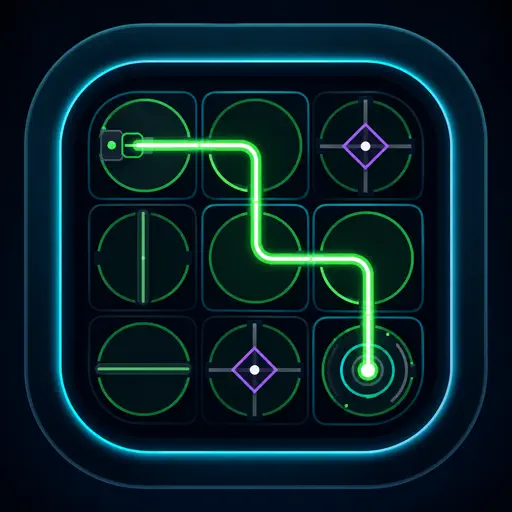
Instead of trying to understand the entire beam at a glance, work your way from the source to the first piece. Evaluate the new path separately for each direction change. If it doesn't get there in the end, start from the first unexpected turn, not from the last line that looks wrong.
Starting from the source describes the current ray path; Thinking from the target can indicate from which direction the final piece should be approached. Combining the two methods is useful for finding the missing link. Check the actual rules of the pieces in both directions.
The piece you rotate can change not only the point where it is located, but the entire subsequent path of the ray. First check the initial exit direction, then check if previously completed targets are affected. Unlocking one goal while losing another may not be real progress.
Create three control points: source, first turn, and target. If the first two work as you expect, move on to the next parts. Proceeding one by one in this way makes it easier to find the broken point without randomly changing all the parts.

 Parking Puzzle Guides